Understanding Scaffolding Regulations in Chester
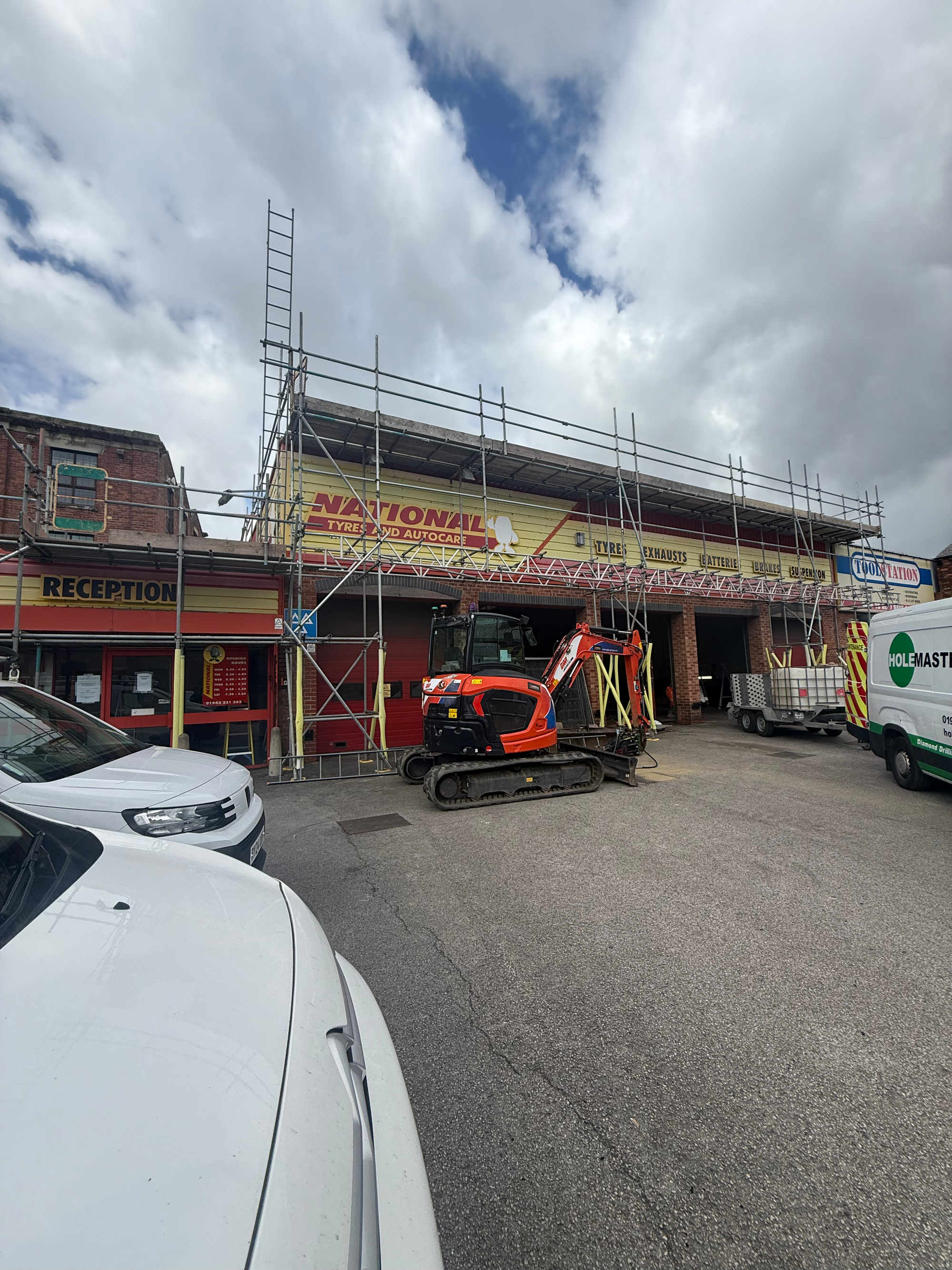
Understanding Scaffolding Regulations in Chester, A Practical Top Points Guide for Safer Projects, By Owen Access LTD (Scaffolding Rental Service)
1) Start with the legal reality, scaffolding is regulated construction work
In Chester, scaffolding is not just a set of tubes and boards, it is a temporary structure that can affect public safety, worker safety, and the integrity of a project. That means regulations are not optional, they form the baseline standard you must meet, whether you are a contractor, a landlord, a homeowner, or a shop manager arranging repairs. Your duties typically fall under health and safety law, work at height requirements, and local highways and pavement controls when the scaffold touches any public area. Understanding this early helps you plan budgets, timelines, and responsibilities, and it reduces the risk of stop notices, fines, or accidents.
- Key takeaway: Treat scaffolding as a regulated engineering and safety activity, not a simple hire item.
- Project impact: Regulations influence design, erection, inspection frequency, signage, lighting, pedestrian management, and insurance.
- Responsibility: Duties usually sit with employers and those in control of work, but clients and property owners can also have obligations depending on circumstances.
2) Know which rules apply, Work at Height principles are central
Most scaffolding regulation understanding starts with the principles of safe work at height. The practical meaning is that work at height must be properly planned, supervised, and carried out in a way that is as safe as reasonably practicable. You generally need competent people, suitable equipment, and a safe method of work. In day to day terms, this translates into choosing the right type of scaffold, ensuring stable foundations, providing collective edge protection like guardrails, preventing falls of people and materials, and maintaining safe access such as stair towers or properly installed ladders. In Chester, these requirements apply regardless of whether the job is city centre refurbishment, domestic roofing, chimney work in a village outside Chester, or maintenance on a commercial unit.
- Plan: Confirm scope, heights, loading needs, access points, and public interface before hire and installation.
- Prevent falls: Prioritise guardrails, midrails, toe boards, brick guards, and suitable platforms.
- Control dropped objects: Use debris netting, fans, exclusion zones, and good housekeeping on lifts.
- Provide safe access: Prefer stair access for frequent use, ensure ladder access is secured and correctly angled where used.
3) Competence matters, who should design, erect, and alter scaffolding
One of the biggest regulatory issues is competence. Even if you are only renting scaffolding, you cannot assume anyone can erect or modify it. Scaffolding must be erected and altered by trained and competent scaffolders, working to a proper design and method statement. In practical terms, you should confirm the scaffolding provider uses qualified personnel, follows recognised standards for tube and fitting or system scaffolds, and can provide paperwork such as handover certificates and inspection reports. In Chester, where many sites are tight and close to pedestrian routes, competence also includes the ability to plan around restricted access, irregular ground, historic building fabric, and traffic management requirements.
- Ask for credentials: Confirm scaffolder training and supervision arrangements.
- Use correct design input: Non standard scaffolds, loading bays, bridged scaffolds, and complex wereabouts should be designed or verified appropriately.
- Prevent unauthorised changes: Agree who may alter the scaffold, and control access to fittings and ladder routes.
4) Understand local authority requirements in Chester, permits for highways and pavements
If any part of a scaffold, gantry, hoarding, pedestrian barrier, or skip associated with scaffolding occupies a public highway, including pavements and some adopted access routes, you may need a permit from the relevant local authority. Chester is within Cheshire West and Chester, so highway occupancy controls are a frequent factor in the city centre and on busy roads. Permit requirements typically cover location plans, dates, dimensions, lighting, signage, pedestrian walkways, and sometimes out of hours restrictions. Failure to obtain a permit can lead to enforcement action, removal costs, and liability if an incident occurs.
- Check early: Before booking dates, confirm whether the scaffold footprint, outriggers, or protective fans will sit on public land.
- Include associated items: Temporary ramps, pedestrian tunnels, barriers, and materials storage areas can trigger permissions.
- Allow time: Permit processing can affect start dates, builds in buffer time for approvals and potential revisions.
- Comply on site: Install required lights, reflective markers, and maintain clear pedestrian widths as specified.
5) Focus on standards, the role of recognised scaffolding specifications
Regulations often point you toward recognised standards and industry guidance rather than listing every technical detail. For many projects, this means constructing scaffolding to a standard configuration and ensuring it meets relevant performance requirements for strength and stability. Even if you do not need to memorise standard numbers, you should understand the practical implications, the scaffold should be capable of withstanding expected loads, prevent excessive deflection, and remain stable under wind and use conditions. In Chester, wind exposure can vary significantly depending on whether you are working in sheltered streets or open areas, and older buildings may have fragile facades that cannot take inappropriate tie patterns.
- Demand a clear spec: Identify the scaffold type, bay sizes, lift heights, tie patterns, and intended use class.
- Match scaffold to task: Rendering, roofing, repointing, and window replacement can have different loading and access needs.
- Do not compromise ties: Ties are central to stability, avoid removing ties to gain access without formal alteration control.
6) Tie patterns and stability, a key compliance and safety topic
Stability is a major regulatory focus because collapse risk rises quickly as height increases and as wind loads build. In Chester, many jobs are on terraced streets with limited set back, meaning the scaffold has little space for wide bases, so ties and correct base preparation become even more critical. Tie patterns must suit the scaffold height, length, loading, and exposure, and ties must be connected to sound parts of the building or to designed anchor arrangements. If the building fabric is weak, ties must be engineered appropriately, for example using non destructive methods or verified anchors, and all anchors should be tested as required by the specification.
- Base matters: Ensure sole boards, base plates, and ground bearing capacity are adequate, avoid setting on soft ground without additional support.
- Ties are not optional: Missing ties or improvised tie points are common causes of instability.
- Consider wind: Sheeting, netting, and temporary roofs increase wind loading and often require design checks.
- Control additions: Hoists, rubbish chutes, banners, and extra sheeting change loads, they must be assessed before installation.
7) Inspections, frequency, triggers, and record keeping
Inspection is a cornerstone of compliance. Scaffolding must be inspected before first use, then at regular intervals, and also after events that could affect stability or safety. Typical triggers include alterations, high winds, impact from vehicles, heavy rain affecting foundations, or unauthorised interference. In Chester, where scaffolds can be close to delivery routes and buses, vehicle strikes are a realistic hazard, and city centre wind tunnel effects can be surprising. Inspections should be carried out by a competent person and recorded, and those records should be kept available for the appropriate period.
- Before use: Do not allow trades onto a scaffold until handover and inspection is complete.
- Routine schedule: Maintain a consistent inspection interval, with additional checks where risk is higher.
- After changes: Any modification, even moving a ladder bay, should trigger a check by the competent inspector.
- Document everything: Use inspection tags and written records, include defects found and actions taken.
8) Handover, what a proper scaffold handover should include
A scaffold handover is a practical moment where responsibility for safe use becomes clearer. It should confirm the scaffold has been erected to the intended specification and is safe for use at the time of handover. In many projects around Chester, multiple contractors will use the same scaffold, so clarity at handover reduces misuse and finger pointing later. A good handover should state the purpose, maximum intended loads, any restricted areas, access rules, and what alterations are permitted. It should also confirm edge protection is complete, access is safe, and any public protection measures are in place.
- Confirm intended use: Is it for brickwork, roof access, painting, or inspection only.
- State loading limits: Avoid overloading lifts with tiles, bricks, or heavy equipment beyond design assumptions.
- Explain access: Identify the designated ladder or stair points and any locked gates.
- Identify exclusions: Mark incomplete lifts, loading bays under construction, or areas awaiting ties.
9) Public protection in Chester, pedestrians, shopfronts, and busy streets
Chester includes tight historic streets, shopping areas, tourist footfall, and mixed use builds where pedestrians pass close to work areas. Regulations and local permitting frequently require measures to protect the public from falling materials and from contact with the scaffold. This might include toe boards, brick guards, netting, fans, covered walkways, hoardings, and controlled access gates. Good public protection is not only about compliance, it also reduces disruption and complaints, and it protects the reputation of the business organising the works.
- Prevent access: Use barriers and locked ladder gates to stop children and the public climbing.
- Control falling debris: Install toe boards, brick guards, and netting where there is any risk to public routes.
- Provide safe walkways: Maintain clear widths, stable surfaces, and adequate headroom where pedestrians pass beneath.
- Signage and lighting: Use required warning signs, reflective markings, and night time lighting on highway scaffolds.
10) Lighting, signage, and visibility, common permit and safety conditions
When scaffolding is on or near a highway in Chester, lighting and visibility become a major compliance topic. The goal is to prevent pedestrians, cyclists, and vehicles from colliding with standards, base jacks, or protruding elements. Temporary lighting is often required at night, and signage may need to include the scaffold contractor details, emergency contact information, and warnings about overhead work. Even where not explicitly required, good visibility controls can reduce claims and accidents.
- Install consistent lighting: Ensure lights are placed to mark corners, changes in direction, and narrow points.
- Keep lights working: Check daily where possible, replace failed units promptly.
- Use clean signage: Do not allow signs to become obscured by dirt or relocated by other trades.
- Remove trip hazards: Manage cables, tie them neatly, and avoid loose leads across pedestrian routes.
11) Access and egress, ladders, stair towers, and safe routes
Safe access provisions are a regulatory priority because many injuries happen while climbing, stepping onto platforms, or carrying materials. In Chester projects, access is often constrained by narrow alleyways or small rear yards, so making intentional choices matters. Ladders must be secured, extend sufficiently above landing points, and be positioned to avoid obstruction. Stair towers offer improved safety, especially for high frequency movement like roofing jobs, rendering, or repeated tool transport. Access should also include consideration of emergency egress, especially on larger commercial sites.
- Designate access points: Avoid informal climbing or stepping from windows onto scaffold lifts.
- Secure ladders: Use ladder gates or self closing systems, ensure correct angle and stability.
- Prefer stairs where practical: Improve ergonomics and reduce fall risk, especially on longer duration jobs.
- Keep routes clear: Do not store materials in access bays or on stair landings.
12) Working platforms, guardrails, toe boards, and the details inspectors look for
Many compliance failures are simple but serious, missing guardrails, gaps in decking, platforms not fully boarded, or toe boards not fitted. These details matter because the scaffold is a fall prevention system. In Chester, where rain and winter conditions can make boards slippery, platform condition becomes even more important, including removal of ice, mud, and obstructions. Edge protection should be complete on all open sides where people could fall, and boards should be suitable and properly supported to prevent tipping or excessive bounce.
- Full edge protection: Top guardrail and midrail at appropriate heights, with toe boards where needed.
- Boarding integrity: No cracked, rotten, or poorly supported boards, secure where uplift could occur.
- Close gaps: Avoid openings at returns and around features, use infill and hop up brackets properly.
- Housekeeping: Remove trip hazards, keep platform surfaces clean, manage mortar droppings and offcuts.
13) Load classes and material storage, avoid the hidden overloading risk
Scaffolds are often overloaded not by dramatic single events, but by gradual accumulation. A few packs of tiles, multiple plasterboards, or repeated stacks of bricks can push a working lift beyond its design. Regulations require equipment to be suitable for the load, so you must plan how materials will be distributed, whether loading bays are required, and whether a hoist will be used. In Chester, where deliveries may be timed to avoid city centre congestion, there can be pressure to store more materials on the scaffold, which can create risk if not designed for it.
- Plan delivery and storage: Use just in time deliveries where possible, and avoid large stockpiles on lifts.
- Use loading bays: Specify dedicated bays designed for higher point loads and controlled loading procedures.
- Spread the load: Store materials evenly and close to standards to reduce bending in ledgers and transoms.
- Brief all trades: Ensure everyone understands the loading limits and does not treat the scaffold as a warehouse.
14) Alterations and interference, controlling who can change the scaffold
A common real world compliance problem is unauthorised alterations. Trades may remove guardrails to pass materials, shift boards to create openings, undo ties to fit windows, or move ladders for convenience. Any such change can make the scaffold unsafe and can also breach regulations. On multi trade sites in Chester, the best approach is to treat the scaffold as controlled infrastructure, with a named person responsible for requesting alterations through competent scaffolders. Use signage, ladder locks, and regular checks to deter interference.
- Set a rule: Only scaffolders may alter scaffolding, everyone else reports needs.
- Use scaffold tags: Indicate status, last inspection, and whether sections are incomplete or restricted.
- Monitor daily: Supervisors should visually check for missing ties, rails, and boards.
- Respond quickly: If something is removed, isolate the area, and get it reinstated immediately.
15) Weather and seasonal factors in Chester, wind, rain, and winter conditions
Chester’s climate means you should plan for wet conditions, gusting wind, and winter cold. Weather affects scaffold stability, platform slip risk, and ground bearing capacity. High winds can loosen sheeting, increase sway, or cause uplift on lightweight platforms. Heavy rain can soften ground or wash out supports at the base. Frost can create slips and hide defects. Regulations require you to consider these foreseeable conditions, which is why inspection triggers after storms are so important.
- Wind actions: Review ties and bracing, especially with netting, sheeting, or temporary roofs.
- Ground checks: Reassess sole boards and base plates after prolonged rain.
- Slip prevention: Clear ice and mud, use anti slip measures where appropriate.
- Stop work when needed: If conditions make work unsafe, pause operations until risks are controlled.
16) Historic buildings and conservation areas, extra planning for Chester’s built environment
Chester has many historic buildings and sensitive facades. Scaffolding in conservation settings often requires extra thought to avoid damage to masonry, timber frames, and decorative stonework. It may also require liaison with building control, conservation officers, or client side heritage consultants. From a regulatory perspective, the scaffold still must be stable and properly tied, but the methods for tying or bearing may need specialist solutions, such as designed non destructive fixings, spreader beams, or carefully positioned buttresses. Poor choices can cause cracking or staining, and can lead to disputes and remediation costs.
- Survey the facade: Identify weak points, voids, and features that restrict tie locations.
- Use appropriate anchors: Select tested fixings compatible with substrate, document pull tests when specified.
- Protect surfaces: Use padding, non marking interfaces, and avoid metal to stone abrasion where movement occurs.
- Coordinate with stakeholders: Ensure scaffold design supports conservation requirements while still meeting safety rules.
17) Temporary roofs and weather protection, additional regulation and design complexity
Temporary roofs, shrink wrap, and full encapsulation are common on refurbishment and roofing projects. They also substantially increase wind loading and can change how forces travel through the scaffold. In regulatory terms, these are typically non standard elements that require design input and careful erection sequencing. In Chester, if a temporary roof overhangs a pavement or affects sightlines on a road, permitting conditions may also become stricter. You should ensure the scaffold provider has experience with temporary roofing systems and can provide clear documentation for the structure.
- Expect a design: Temporary roofs often require calculations or engineered layouts, not just standard builds.
- Sequence matters: The build and sheet installation order affects stability, follow the method statement.
- Plan drainage: Ensure runoff does not create hazards on pavements or overload gutters and temporary channels.
- Inspect frequently: After storms, check sheeting tension, connections, and any signs of movement.
18) Rubbish chutes, hoists, and mechanical handling, manage added hazards
Add ons like rubbish chutes and material hoists introduce new risks, dropped objects, entanglement, and local overloading. They also change where people stand and how access routes function. Regulations require that equipment is suitable, installed by competent persons, and used with safe systems of work. In Chester, where sites may have limited laydown space, hoists can be tempting to speed up movement, but they must be integrated properly, with exclusion zones and clear communication.
- Chutes: Secure fixings, controlled loading points, and guarded discharge areas to protect the public and workers.
- Hoists: Design for tie loads and increased forces, use trained operators and safe loading rules.
- Exclusion zones: Prevent people walking under hoists or chute discharge points.
- Coordination: Communicate lifting times and ensure platforms are not overcrowded during hoist use.
19) Electrical hazards, overhead lines, and temporary supply management
Scaffolding can introduce electrical risk if it is erected near overhead cables or if temporary electrics are run poorly. Metal components can conduct electricity, so clearance distances and careful planning are essential. Regulations expect you to avoid working close to live conductors where possible, and to implement controls such as isolation, shrouding, or rerouting. On Chester sites, temporary lighting for highway scaffolds and power for tools can lead to cables being clipped to scaffold standards, which must be done safely and not create trip hazards or damage insulation.
- Survey for lines: Identify overhead or building fed electrical services before erection.
- Maintain clearances: Keep scaffold and long metal components away from live conductors.
- Manage cables: Protect, route, and secure electrics to prevent abrasion and tripping.
- Use competent electricians: Temporary supplies should be installed and tested properly.
20) Traffic management, deliveries, and vehicle impact risk
Vehicle impact is an underappreciated cause of scaffold damage, particularly where city centre loading is common. Chester has areas where vans, service vehicles, and deliveries operate in tight spaces. If the scaffold is near a carriageway, the permit may require barriers, tapers, or other controls to keep vehicles away. Even on private land, you should consider bollards, buffer zones, and protection around base standards. Regulations do not allow you to ignore foreseeable impact risks, so plan them in.
- Assess vehicle routes: Identify turning circles, reversing points, and delivery bays.
- Install protection: Use barriers, goalposts, or buffers where vehicles could strike standards.
- Coordinate deliveries: Schedule to reduce congestion and avoid unloading beneath active work areas.
- Inspect after impact: Any strike should trigger immediate isolation and competent inspection.
21) Working near the public, additional duty of care and reputation protection
When your scaffold is outside a shop, school, restaurant, or office in Chester, the public interface is constant. That elevates the need for secure access control, clean and safe walkways, and careful planning of noisy or dusty operations. Regulation focuses on preventing harm, but practical project success also depends on maintaining access for customers, keeping signage visible, and reducing obstruction. A well managed scaffold helps businesses continue trading during works, it also reduces the likelihood of complaints that can draw attention from enforcement bodies.
- Secure the scaffold: Ladder locks, boarded lifts out of reach, and anti climb measures.
- Maintain cleanliness: Prevent debris spills onto pavements, clear mud and materials regularly.
- Respect access needs: Keep doorways, emergency exits, and delivery access usable.
- Communicate: Display a contact number for issues such as loose boards, noise concerns, or lighting failures.
22) Risk assessment and method statements, what they should cover for scaffolding
Risk assessments and method statements are how regulations become actionable. For scaffolding, documents should cover erection, alteration, and dismantling, as well as how other trades will use the scaffold safely. In Chester, the project context should be captured, for example pedestrian management near the Rows and busy footpaths, restricted delivery times, historic fabric constraints, and wind exposure. Good documents are specific, not generic. They identify hazards, controls, and responsibilities, and they provide a clear sequence that reduces improvised decisions on site.
- Site specifics: Include access constraints, ground conditions, and public routes.
- Erection sequence: Describe how guardrails are maintained, for example advanced guardrail systems.
- Rescue planning: Identify how a fallen or injured person would be recovered safely.
- Interface controls: Clarify how and when other trades may use the scaffold, and who approves changes.
23) Training for users, not just scaffolders, stop unsafe behaviour early
Even if scaffolders erect the structure correctly, accidents still happen when users behave unsafely. Trades may climb the outside, overload a lift, remove rails, or use unsuitable ladders to gain extra height. Regulations expect instruction and supervision, so it is good practice to brief all users on how the scaffold is intended to be used. In Chester, on small domestic projects, this can be overlooked because teams are smaller, but the risks are the same. A short user briefing can prevent common issues and reduce downtime from rework and repairs.
- User rules: No removal of rails or ties, no moving boards, no climbing braces.
- Loading rules: Store materials only where allowed, keep heavy loads near standards.
- Access rules: Use only designated ladders or stairs, keep gates closed.
- Report defects: Encourage immediate reporting of loose fittings, missing boards, or damaged components.
24) Scaffold tagging systems, practical on site compliance signalling
Scaffold tags are widely used to show inspection status and whether a scaffold is safe to use. While tags do not replace legal inspection records, they are a helpful control on busy sites. In Chester, where multiple subcontractors may arrive at different times, a visible tag system reduces confusion and discourages entry onto incomplete sections. Tags should be updated after inspections, and they should clearly indicate restrictions, such as incomplete lifts or areas awaiting tie installation.
- Use consistent colours: Match your site system so green means safe, red means do not use, and amber means restricted if applicable.
- Place at access points: Put tags where users enter, not hidden behind materials.
- Update promptly: After changes or inspections, replace outdated tags immediately.
- Do not rely on tags alone: Maintain full inspection records and competent sign off.
25) Insurance and liability, why compliance protects you financially
Regulations are often discussed as safety rules, but they also influence liability. If an incident occurs in Chester, insurers and investigators will look at whether permits were obtained, whether inspections were carried out, whether the scaffold was erected by competent persons, and whether users were supervised. Non compliance can complicate claims and increase costs. It can also affect contractual relationships, for example if a client suffers delays due to a stop work order. Good compliance is a form of financial risk management as much as it is moral duty.
- Keep proof: Retain permits, inspection reports, handover certificates, and design documents.
- Clarify responsibilities: Contracts should define who arranges permits, inspections, and alterations.
- Report accidents properly: Follow reporting requirements and preserve evidence of compliance.
- Choose reputable providers: Reliable scaffolding rental and service reduces the likelihood of disputes.
26) Common compliance pitfalls in Chester projects, and how to avoid them
Many scaffolding issues repeat across projects, particularly where budgets are tight and schedules are pressured. In Chester, common pitfalls include starting work before permit approval, blocking access routes too much in narrow streets, failing to maintain lighting, allowing unauthorised changes, and ignoring wind risks when netting is installed. Another frequent issue is assuming domestic work has fewer rules. In reality, the law focuses on risk, not project size. Avoiding these pitfalls comes down to planning, communication, and using competent scaffolding partners.
- Do not rush start dates: Align permits, scaffold design, and delivery schedules early.
- Protect pedestrians properly: Use appropriate barriers and overhead protection where needed.
- Maintain the scaffold: Replace damaged boards, tighten fittings, and keep access controlled.
- Respect stop conditions: If the scaffold is tagged unsafe, do not use it until corrected.
27) Domestic scaffolding in Chester, homeowners still need to think like duty holders
Homeowners arranging roofing, chimney repairs, solar installation, or repointing may think scaffolding regulations are only for large building sites. However, whenever people are working at height, there are duties to ensure the work is planned and carried out safely. If the scaffold sits on a public pavement outside a home in Chester, permitting and lighting can still apply. Homeowners should ask their contractor and scaffolding provider who is arranging permits, who will inspect, and how long the scaffold will remain. This avoids surprise costs and helps prevent unsafe shortcuts.
- Ask who gets the permit: If the scaffold is on the pavement or road, confirm the process and timing.
- Check inspections: Ensure there will be a handover inspection and ongoing checks.
- Control access: Ensure ladder gates are used to prevent children climbing.
- Confirm dismantle date: Avoid leaving scaffolds up longer than necessary, which increases exposure to weather and interference.
28) Commercial and retail sites, keeping businesses open while staying compliant
Scaffolding around commercial premises in Chester often runs alongside normal operations. That could mean customer footfall, deliveries, emergency exits, and signage all need to remain functional. Regulations and permits may demand specific walkway widths and protection, but good practice often means going further, such as providing clearly marked routes, additional lighting, and a clean protected entrance. Communication with the tenant or manager is essential, especially if scaffold lifts pass near signage or air conditioning units.
- Protect entrances: Use fans, crash decks, or covered walkways where the public passes under work areas.
- Maintain fire escape routes: Keep exits clear, and do not block assembly points.
- Schedule noisy work: Coordinate drilling, cutting, or dismantling to reduce disruption.
- Reassess frequently: As the job progresses, public routes and risk levels may change.
29) Documentation checklist, what to request and retain
Understanding regulations becomes much easier when you know what documents should exist. Good paperwork does not guarantee safety, but missing paperwork often signals missing controls. In Chester, where highways permits can be involved, documentation also supports compliance with local authority conditions. You should keep documents accessible, especially if site management changes or if an inspector requests evidence.
- Permit documents: Highway or pavement occupancy permits, including approved dates and conditions.
- Scaffold design: Drawings or specifications for non standard scaffolds, temporary roofs, or complex arrangements.
- Method statement: Erection, alteration, and dismantle sequence, including public protection controls.
- Handover certificate: Confirmation the scaffold is complete and safe for intended use at handover.
- Inspection records: Logs of routine and event triggered inspections and defect rectification.
- Training and competence evidence: Records of scaffolder and inspector competence where relevant.
30) Practical planning timeline, how to build regulatory compliance into your schedule
Delays often happen when regulations are treated as last minute admin. A better approach is to build compliance into the project timeline from the beginning. In Chester, if your scaffold will impact pedestrian routes or traffic, start the permit conversation early, including any required traffic management. If the scaffold needs design because of sheeting, a temporary roof, bridging, or unusual loads, allow time for site survey, design production, and review. This planning also helps reduce costs because late changes can require rework or additional components.
- Step 1: Site survey and scope definition, identify heights, access, public interface, and loads.
- Step 2: Decide if the scaffold is standard or needs design, confirm tie strategy and protection measures.
- Step 3: Apply for permits if any highway occupation is planned, confirm conditions for lighting and walkway widths.
- Step 4: Erect scaffold with competent team, implement access control and public protection from day one.
- Step 5: Handover and first inspection, brief users on rules and loading limits.
- Step 6: Ongoing inspections, especially after alterations or weather events, manage defects promptly.
- Step 7: Controlled dismantle, remove highway equipment and barriers safely, close permits as required.
31) When to seek extra help, red flags that require specialist input
Some scaffolding scenarios in Chester should immediately trigger specialist attention because the risks are higher and standard solutions may not be adequate. Examples include bridging over alleys, spanning entrances, supporting heavy stone repairs, working on fragile roofs, or fully sheeting a tall scaffold. Another red flag is when ground conditions are uncertain, such as cellars, vaults, or older drains near foundations, which are common in historic areas. If any of these apply, treat the scaffold as an engineered temporary works system, not a routine setup.
- Complex geometry: Curved facades, irregular footprints, or multiple roof levels.
- High wind exposure: Open sites, tall elevations, or heavy sheeting and banners.
- Restricted public routes: Where maintaining safe pedestrian flow is difficult.
- Weak building fabric: Limited tie points or fragile masonry requiring special anchors.
- Heavy loads: Stone, large glazing, mechanical plant, or frequent material storage needs.
32) Final compliance mindset, scaffold safety is a living process
Understanding scaffolding regulations in Chester is less about memorising rules and more about building a consistent process. The safest projects treat scaffolding as temporary works that need proper planning, competent installation, clear user rules, regular inspection, and careful management of change. When you combine these habits with the local reality of permits, public protection, and historic streets, you reduce risk and keep projects moving. Owen Access LTD supports clients by approaching scaffolding rental service with a compliance first mindset, focusing on safe access, correct specification, and practical site coordination so work at height can be carried out responsibly.
- Prioritise competence: Use trained scaffolders and competent inspectors, and control alterations.
- Respect the public: Protect pedestrians, manage access, and meet permit conditions consistently.
- Inspect and record: Regular checks, event triggered inspections, and clear documentation reduce surprises.
- Plan for change: Weather, design updates, and site constraints require ongoing reassessment.