Top 10 Tips for Choosing Scaffolding Services in Chester
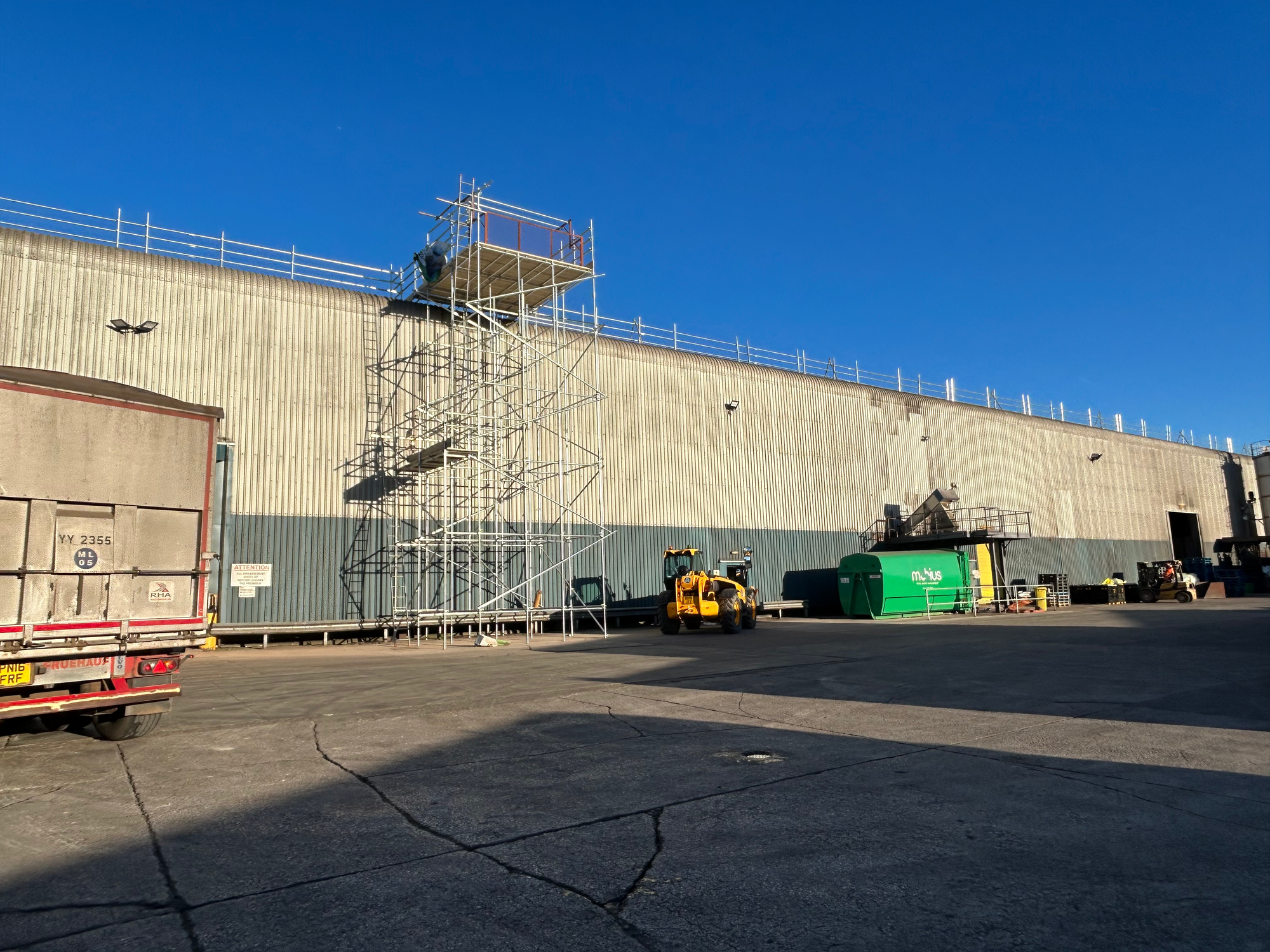
Top 10 Tips for Choosing Scaffolding Services in Chester
1. Start with a clear scope of work, because scaffolding needs change by project type
Before you compare scaffolding services in Chester, define what you actually need the scaffold to do. This sounds obvious, but it is the fastest way to avoid under priced quotes that later expand, or oversized designs that add cost without benefit. A simple chimney repair, a rear extension, a full roof replacement, and a listed building facade refurbishment all need different access solutions, loading capacities, and safety controls.
Write down the basics, including the property type, estimated project duration, the height and footprint of access required, any fragile roofing or conservatories, whether materials must be loaded onto lifts, and whether multiple trades will be working at once. Consider whether you need access on more than one elevation, whether you need temporary roofing, and whether you need internal scaffolds for stairwells or atriums.
Chester has a mix of narrow streets, historic structures, and newer developments, and the practical constraints vary. In tight city centre locations you may need careful delivery scheduling, pedestrian management, and more complex tie patterns. In residential suburbs you may need extra attention to driveway access, neighbor boundaries, and protecting gardens. If you define the scope early, you can ask the right questions, compare quotes fairly, and reduce the risk of delays once the scaffold is in progress.
- Checklist items to define early: working height, number of lifts, width of lifts, bays required, loading bays, ladders or stair towers, edge protection needs, netting, debris fans, temporary roof, and whether public protection (fans or tunnels) is needed.
- Site constraints: access for trucks, storage space for fittings, ground conditions, proximity to overhead cables, obstructions like porches or conservatories, and potential need for pavement occupation.
- Programme details: start date, expected duration, key milestones (roof strip date, brickwork stage, window install stage), and whether partial dismantle will be needed.
2. Prioritise safety credentials, not just price or availability
Scaffolding is a safety critical service. Choosing based purely on the lowest quote can backfire if the contractor cuts corners on design, inspection, component quality, or labour competence. In Chester, where properties can sit close to public footpaths and roads, the consequences of inadequate edge protection, missing toe boards, unstable foundations, or poor ties are serious.
Ask prospective scaffolding providers how they manage safety from the first survey to final dismantle. A reliable company should explain how they assess ground bearing capacity, how they control loading, how they prevent unauthorised access, and how they keep the scaffold compliant throughout the hire period. They should also be comfortable providing documentation, risk assessments, and method statements appropriate to the job size.
Look for evidence of a safety culture, not just a set of documents. Are they asking clarifying questions about your job? Do they want to visit the site before quoting? Do they recommend additional protection if the public could be affected? Do they explain what is included, like guardrails on every lift, toe boards, ladder gates, brick guards, or debris netting where necessary? A safety minded provider will be transparent about what is essential, and what is optional upgrades, rather than leaving you to guess.
- Ask about: safe working loads, tie spacing approach, edge protection standards, ladder access controls, and how they handle adverse weather procedures.
- Request: proof of insurance, training records relevant to scaffolding work, and recent inspection templates they use on live projects.
- Confirm: who is responsible for weekly inspections, and how inspection findings are communicated and rectified.
3. Choose local Chester experience, because site realities often determine success
Local experience matters because the practical challenges of scaffolding in Chester are site specific. Narrow access lanes, limited parking, pedestrian flows, and the presence of older buildings with delicate brickwork or irregular geometry can all influence scaffold design and installation time. A scaffolding team used to these conditions is more likely to anticipate issues that affect cost and safety.
A local provider also tends to have shorter response times when you need a quick alteration, an urgent inspection after high winds, or a small extra lift for a newly discovered repair. That responsiveness can keep your project moving, especially when multiple trades are scheduled back to back.
When evaluating scaffolding services, ask for examples of recent projects in Chester and nearby areas, such as work on terraced homes, commercial units, schools, and heritage properties. The goal is not just to collect names, but to understand whether they regularly handle the property types and constraints similar to yours. Experience with public facing works, protection fans, and pavement permits can be particularly important in the city centre.
- Good signs: they can talk through typical Chester constraints, like tight access and pedestrian management, without vague answers.
- Ask for: photos of comparable scaffolds, including details of access points, ties, and protection installed.
- Confirm: whether they have relationships with local suppliers, waste handlers, or traffic management firms if needed.
4. Insist on a proper site survey and a quote that matches the site, not a generic estimate
A scaffolding quote should be based on a site visit or at least a detailed review of accurate photos and measurements. Generic estimates over the phone often miss critical factors like sloping ground, soft landscaping, basements, fragile canopies, conservatories, or the need to bridge over roofs and extensions. These details change the amount of equipment required and the time to erect safely.
During a survey, the contractor should assess where standards can land and whether base plates and sole boards are adequate. They should consider how to avoid excessive point loads on paving or cellar voids, and whether spreading loads is necessary. They should identify tie locations and whether the building fabric allows standard ties, or whether non intrusive solutions are required for listed or sensitive facades.
A professional survey also includes access planning. Where will materials be unloaded? Can the lorry park legally? Is there enough space to stack gear securely without blocking footpaths? Are there overhead cables? Are there tree branches or gutters that interfere with lifts? The more precise the survey, the less likely you are to face mid project price changes or delays.
- What to request in the quote: a clear description of scaffold type, number of working lifts, access method, protection features, loading bay specifications, hire duration, and what triggers additional charges.
- Ask how they handle: unforeseen site discoveries, such as hidden fragile roofs, weak walls, or newly required access to another elevation.
- Confirm: whether they include waste netting, brick guards, ladder gates, and signage, or if these are extras.
5. Check compliance, inspections, and documentation, because the paperwork reflects the process
Even if your project is domestic, scaffolding work still needs to be planned, erected, and maintained with appropriate controls. In Chester, a scaffold may sit near public routes, schools, or busy residential streets, and the expectation for regular inspection and clear responsibility is high. Documentation is not just a formality, it is how responsibilities are defined and tracked.
Ask who will carry out scaffold inspections, how often, and what happens after severe weather or significant alterations. Weekly inspections are common practice, but you should confirm the exact schedule and whether it is included in the hire. Also confirm how changes are controlled, because if other trades move boards, remove guardrails, or alter access, the scaffold can become unsafe. A good provider will explain the boundaries clearly and offer a process for reporting issues.
For larger projects, commercial sites, or works near the public highway, you may need a formal design, permits, or traffic and pedestrian management plans. A competent scaffolding company should advise you early, rather than leaving you to discover requirements after the scaffold is already in place.
- Request: risk assessment and method statement details appropriate to your job, including rescue considerations where relevant.
- Confirm: inspection frequency, inspection records, and how quickly defects are addressed.
- Ask: whether the scaffold requires design engineering due to height, complexity, loading, or unusual configurations, and who provides that design.
6. Evaluate equipment quality and suitability, because not all scaffolds perform the same
Scaffolding performance depends on the quality of components and the appropriateness of the system. Damaged boards, bent tubes, worn couplers, and improvised fittings can compromise stability and increase maintenance issues across the hire period. Even if the scaffold is initially safe, poor quality gear can lead to frequent adjustments, nuisance movement, and increased risk as the project progresses.
Ask what type of system will be used, such as traditional tube and fitting, system scaffolding, or hybrid solutions. Each has advantages. Tube and fitting is highly adaptable, which can be useful for Chester properties with irregular shapes, bay windows, or multiple rooflines. System scaffolding can be efficient and consistent for larger elevations and repetitive layouts. The best contractor chooses based on the project requirements, not just what is easiest for them.
Also consider how the scaffold will affect productivity. Is there enough working width for trades to work comfortably? Are there dedicated loading bays so materials are not carried awkwardly up ladders? Would a stair tower reduce fatigue and improve safety for long duration jobs? These decisions can reduce labour time for the whole project, not just the scaffolding line item.
- Ask to confirm: board condition standards, inclusion of toe boards and double guardrails, and whether ladder access includes gates or ladder hatches.
- Consider: debris netting or sheeting for dusty works, and brick guards where small tools or materials could fall.
- Discuss: temporary roof options if weather protection is critical for roof replacement schedules in Chester’s changeable conditions.
7. Clarify licensing, pavement and road permissions, and public protection early
If any part of the scaffold, materials, or working area affects a public footpath or road, you may need permissions, signage, lighting, and protective measures. In Chester, this is particularly relevant around the city centre, near tourist routes, and on streets where footpaths are narrow. Getting this wrong can lead to enforcement action, forced changes, project delays, and unexpected fees.
A reliable scaffolding provider should identify whether the scaffold encroaches on the public highway and advise on the relevant permitting process, including lead times. They should also plan for public safety, which may include pedestrian barriers, fans, or a fully sheeted scaffold in some circumstances. If the job includes evening foot traffic, scaffold lighting and reflective markings may be necessary.
Do not assume the builder will handle permits, or that the scaffold company automatically does. Ask exactly who will apply, who pays the fee, who provides drawings if required, and who maintains compliance during the permit period. Clear allocation of responsibility prevents last minute confusion when the scaffold lorry is booked and the job is ready to start.
- Ask: does the quote include permit application support, permit fees, scaffold lighting, and pedestrian management equipment?
- Confirm: expected lead time for approvals in Chester, and how changes to dates affect permits.
- Check: whether deliveries and erection need traffic management, and who coordinates it.
8. Compare quotes on value and inclusions, because the cheapest scaffolding can become the most expensive
Scaffolding quotes can vary widely, and the difference is not always profiteering. It is often the result of different assumptions. One quote may include weekly inspections, debris netting, a loading bay, a stair tower, and permit support. Another may include only a basic access scaffold with minimal protection and a short hire period, leaving you to pay extras later. If you only compare bottom line prices, you can easily choose an option that does not match your needs.
Ask for itemised quotes where practical, and insist that the description of what is included is specific. Make sure you understand the hire duration and what happens if your project runs over. Extensions are common in construction, and scaffolding hire can become a significant cost if the weekly rate is high or if the contract terms are inflexible.
Also evaluate how easy it will be to ask for adaptations. Many projects in Chester uncover surprises, like hidden chimney damage, cracked render, or rotten fascia boards. If the scaffold provider can modify quickly and fairly, you avoid downtime for trades. Value includes both the physical scaffold and the service around it.
- Compare: hire period included, extension rates, call out rates, and charges for alterations.
- Look for: clarity on what counts as an alteration versus what is included as part of safe maintenance.
- Ensure: the quote includes required safety features, not just an access frame that technically reaches the height.
9. Review scheduling, communication, and reliability, because timing is often the real risk
A technically perfect scaffold is still a problem if it arrives late, blocks access unexpectedly, or cannot be adjusted when the project scope changes. Chester projects often involve multiple trades, deliveries, and neighbours. The scaffolding contractor becomes part of your project rhythm, so their reliability and communication style matter.
Ask how far in advance they book erection dates, what time windows they can commit to, and what happens if weather interrupts work. Clarify how you will communicate, whether you have a named contact, and how quickly they respond to urgent issues. If a loose board or missing toe board is reported, you should know how fast they can attend.
Also ask about dismantle scheduling. Many delays happen at the end of the project, when everyone wants the scaffold down quickly and the contractor is busy on other jobs. Confirm how dismantle is booked, how much notice they need, and whether partial dismantle is possible if you want certain elevations cleared earlier. Strong planning and clear communication reduce the chance of the scaffold becoming a bottleneck.
- Ask: who your day to day supervisor is, and how you report issues outside normal hours.
- Confirm: erection and dismantle lead times, and how date changes are handled.
- Check: whether they coordinate with your builder or roofer directly, which can reduce miscommunication.
10. Protect your property, your neighbours, and your budget with clear terms and aftercare
Scaffolding interacts with your property in ways that can cause disputes if expectations are unclear. There may be minor marks to brickwork where ties are installed, potential damage to guttering if access is tight, or compressed lawns if heavy loads are placed without protection. In Chester, where houses can be close together, scaffold footings and platforms may sit near fence lines, shared alleys, or neighbouring driveways. A good scaffolding company cares about minimising disruption and making good any issues quickly.
Ask what protections they use for delicate surfaces, such as padding where standards might touch, boards to protect patios, and careful positioning to avoid blocking drains. Confirm how they secure the scaffold against unauthorised access, especially if the scaffold could allow entry to upper windows. Ladder gates, ladder removal policies, and controlled access points are worth discussing. Consider whether your home insurance requires certain precautions during building works.
Finally, pin down contract terms. Understand payment schedules, cancellation terms, what constitutes completion, and what happens if the scaffold cannot be erected due to unforeseen issues. Ask how aftercare works during the hire period, including adjustment requests and emergency attendance. These details protect your budget and your timeline, and they help ensure the scaffold remains safe and functional until the last trade leaves site.
- Confirm: how they protect paving, lawns, and roofs, and what their process is if accidental damage occurs.
- Ask: what anti intrusion measures are included, and whether ladder access can be limited when the site is unattended.
- Review: hire terms, extension costs, and how dismantle is confirmed and scheduled.
Additional practical questions to ask any scaffolding service in Chester
Even with the ten tips above, it helps to ask a consistent set of questions so you can compare providers fairly. These questions also reveal how transparent and organised the company is. A dependable contractor usually answers directly, provides documentation without hesitation, and explains trade offs, rather than pushing you toward the quickest sale.
- Design and configuration: How will the scaffold be tied, what is the planned bay spacing, and what working load class is intended for the main lifts and any loading bays?
- Access: Will access be by ladders, ladder bays, or a stair tower, and how will access be protected with gates or hatches?
- Public safety: Do you recommend debris netting, brick guards, fans, or a pedestrian tunnel, and why?
- Weather planning: What steps do you take in high winds, and what is your process for post storm inspections?
- Sequence: Will you coordinate the scaffold build sequence with the roofer or builder to ensure the right elevations are available at the right time?
- Alterations: How quickly can you respond if we need an extra lift, an extended return, or a temporary roof added mid project?
- Housekeeping: How do you keep the site tidy, and do you remove packaging, bands, and offcuts at the end of erection?
- Security: How do you prevent children or unauthorised people from climbing the scaffold, especially in residential areas?
Common scaffolding scenarios in Chester, and what to watch for
Homeowners and project managers in Chester often deal with a similar set of access challenges. Understanding them helps you choose a scaffolding provider who thinks ahead. For example, a typical two storey house might only need a single elevation scaffold for guttering and fascia. However, if the roofer later discovers ridge issues, the scaffold may need to wrap around to provide safe access to the gable ends. If the initial design does not allow for extensions, modifications can become costly and disruptive.
Terraced properties can require careful planning around shared passages and neighbour windows. You may need bridging sections to keep a walkway clear, or you may need to coordinate erection times to avoid blocking access. In busier areas, controlling debris and dust can matter as much as access. Debris netting, fine mesh, or sheeting can keep the area cleaner, but it increases wind loading, so ties and stability require additional consideration.
Commercial and public buildings in Chester, such as shops, offices, and schools, demand a stronger focus on pedestrian management and safeguarding. Clear signage, controlled access, and protective fans come into play. If you choose a scaffolding contractor who has only done simple domestic jobs, they may not be comfortable with these requirements. The right provider will propose solutions and explain the implications clearly.
- Roof works: consider temporary roof coverage, loading bays for tiles, and safe access to chimneys.
- Repointing and facade repairs: prioritise full height working lifts for consistent quality, and request debris protection for pedestrians and neighbours.
- Extensions: plan for changing rooflines and new openings, and confirm the scaffold can be adapted as the structure evolves.
- Town centre works: confirm permit handling, lighting, and out of hours access coordination.
Red flags that suggest you should keep looking
Choosing scaffolding services in Chester is easier when you know what to avoid. Certain behaviours and quote patterns often signal problems later. If a contractor refuses to visit the site, gives a price that seems too good without asking questions, or cannot explain how inspections will be handled, you should be cautious. If they cannot provide proof of insurance or seem irritated by basic safety questions, that is another warning sign.
Be wary of vague, one line quotes that simply say “scaffold up” without detail. That lack of clarity makes it hard to hold anyone accountable if the installed scaffold does not meet your needs. Also be cautious if a provider dismisses the need for permits when you know the scaffold will touch a pavement, or if they suggest placing standards on fragile roofs or conservatories without discussing load spread and protection.
- Warning signs: no site survey offered, unclear hire term, no inspection plan, refusal to provide documentation, or pressure to pay cash immediately for a slot.
- Technical concerns: proposed scaffold lacks toe boards or double guardrails, unclear tie strategy, or no plan for public protection where pedestrians pass close by.
- Service issues: slow responses during quoting, missed appointments, or inability to commit to erection and dismantle windows.
How to balance cost, safety, and speed without compromising the job
Most people want the same thing from a scaffolding rental service, a safe scaffold that arrives on time, works smoothly for the trades, and comes down when it is supposed to, all at a fair price. The balance is achieved through clarity and planning. If you provide clear information, the contractor can design efficiently. If you agree on inclusions, you avoid surprises. If you schedule inspections and alterations, you prevent minor issues becoming major interruptions.
Cost savings can often be found without reducing safety by optimising the scaffold layout. For example, you may not need full perimeter access if only one elevation is being worked on. Alternatively, you may save money overall by adding a stair tower, because it speeds up work for multiple trades and reduces time on hire. Another example is netting, which might feel like an extra, but can prevent debris incidents that cause delays, complaints, or stoppages.
Speed should also be understood correctly. Fast erection is useful, but not if it involves skipping basic controls like proper base preparation, correct tie installation, and fully boarded and guarded platforms. A professional scaffolding provider delivers speed through planning and trained teams, not shortcuts.
- Smart optimisation: design only the access you need, but ensure it supports safe working positions and material handling.
- Time saving upgrades: stair access, loading bays, and well placed ladder runs that reduce congestion.
- Risk reduction: netting, brick guards, and clear exclusion zones when the public or neighbours are close.
Why communication between your builder and scaffolder matters, especially on multi trade projects
Scaffolding rarely exists in isolation. The builder, roofer, window installer, painter, and sometimes solar or gutter specialists will all rely on it. When the scaffolding provider communicates directly with your main contractor, the sequence of work can be aligned. This reduces the chance of a scaffold being erected in a way that blocks a skip location, prevents roofers from moving materials, or leaves out a lift that painters later require.
In Chester, where access can be limited, coordination is even more important. If a street can only accommodate a delivery lorry at certain times, or if a shared drive must remain usable, the scaffold build and dismantle need to be planned around those constraints. The best scaffolding services will ask for your builder’s contact details, confirm the programme, and offer practical suggestions such as splitting erection into phases.
Communication also matters for safety. If a trade needs to remove a section temporarily, the correct approach is to request a planned alteration, not to improvise. A scaffolding company that is easy to reach and responsive makes it more likely that everyone follows the correct process.
- Coordination topics: delivery access, sequencing of lifts, placement of loading bays, and timing of partial dismantles.
- Safety topics: control of alterations, reporting of defects, and agreement on access restrictions.
- Efficiency topics: positioning of ladders or stairs to match where materials will be used.
Choosing a scaffolding rental service in Chester with long term reliability
Many scaffolding hires last longer than expected. Weather, supply delays, and unexpected repairs are common. Choosing a provider who treats the hire period as an ongoing service rather than a one off installation makes a real difference. You want a company that will turn up for inspections, respond to requests, and keep the scaffold safe and tidy as conditions change.
Ask how they handle extensions to the hire period, and whether the same team will be available for alterations. A contractor who subcontracts everything might struggle with continuity, particularly during busy seasons. Also consider how they handle maintenance, such as re tightening fittings, replacing damaged boards, and adjusting for ground settlement. Those small actions prevent bigger issues.
If your project is in a prominent area, appearances can matter too. A well erected scaffold with neat platforms, consistent guardrails, and properly fitted netting reflects professionalism and can reduce complaints from neighbours. It also signals that the provider is attentive, which is often linked to safety and reliability.
- Look for: clear processes for inspections, rapid defect response, and straightforward scheduling for alterations.
- Confirm: extension pricing, and whether the hire period includes routine checks or only the initial installation.
- Consider: the provider’s ability to scale, if your project expands to additional elevations or phases.
Putting it all together for Chester projects, a practical selection approach
To choose confidently, short list two to four scaffolding providers, give each the same project information, and ask them to survey the site. Compare their proposed configuration and inclusions, not just their price. Pay attention to who asks the best questions, who flags risks early, and who can explain their plan in a way that makes you feel in control of the process.
Then check reliability indicators, such as how quickly they respond, how clear their quote is, and whether they can commit to your timeline. If your job involves the public highway, confirm permit handling in writing. If your job involves multiple trades and heavy materials like tiles, confirm the presence and capacity of a loading bay. If your job involves a longer hire period, confirm weekly inspections and extension rates.
For scaffolding rental service customers working with Owen Access LTD or comparing options in Chester, the aim is always the same, safe access that keeps the project moving. A carefully chosen scaffold service reduces risk, improves productivity, and helps protect your property, your neighbours, and everyone who steps onto the platform.
- Selection summary: define the scope, insist on a survey, prioritise safety and documentation, verify local experience, compare inclusions, and lock in scheduling and permit responsibilities.
- Outcome to target: a scaffold that is stable, well protected, easy to work from, regularly inspected, and supported by responsive aftercare.
- Final check: if anything is unclear in the quote or the plan, ask until it is fully understood, because clarity upfront is cheaper than corrections later.