Design Scaffolds
scaffold designs
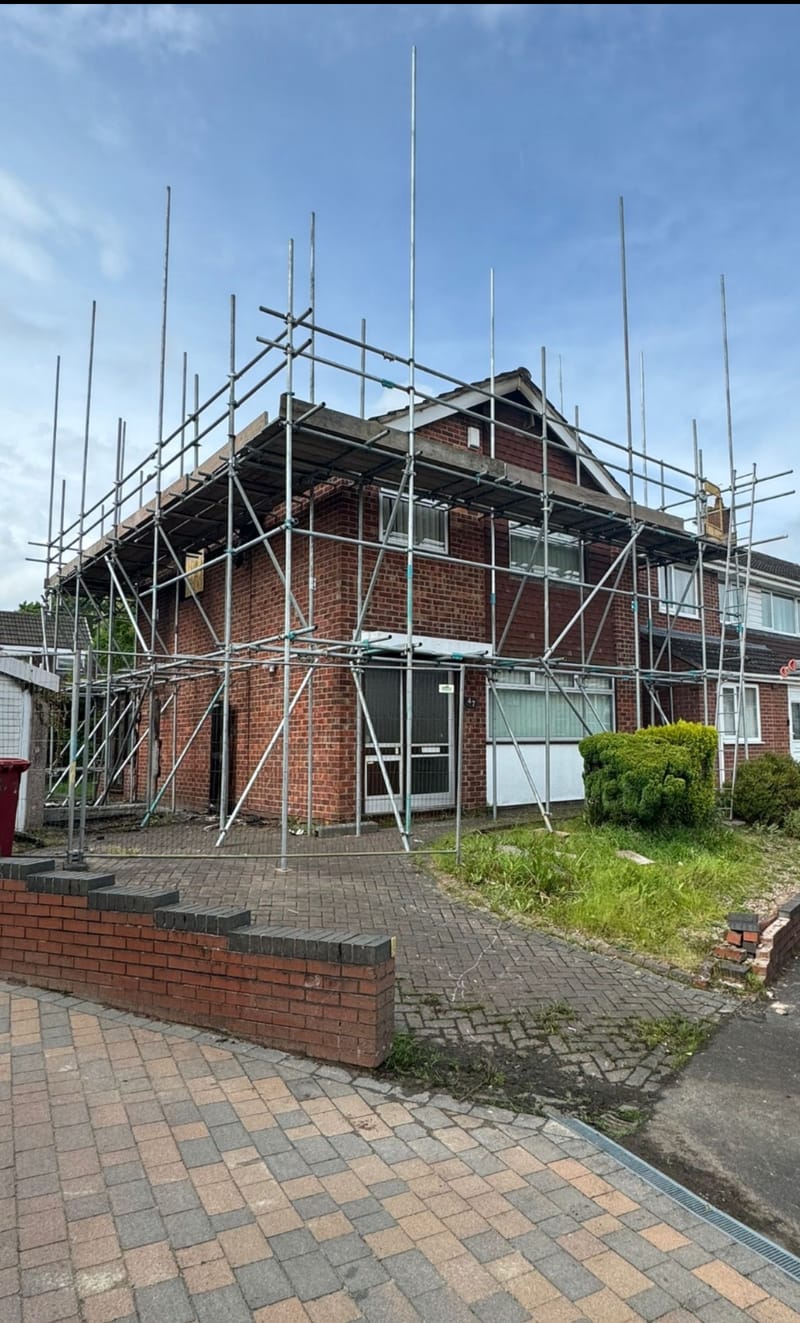
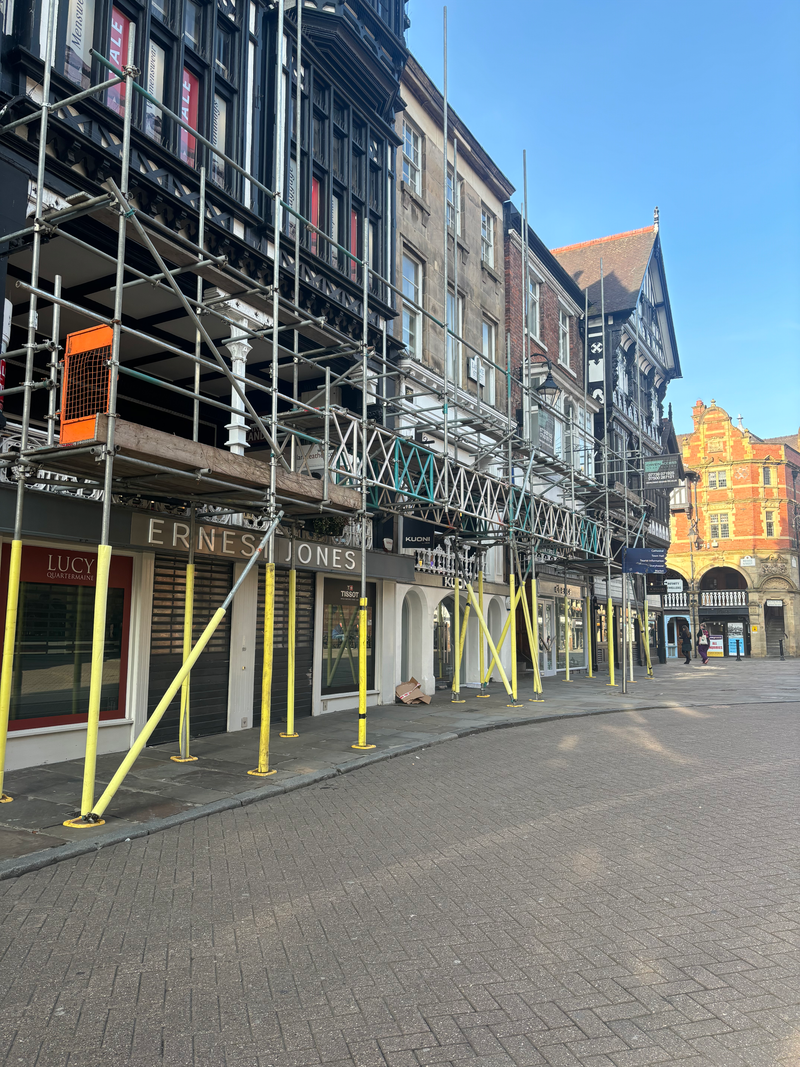
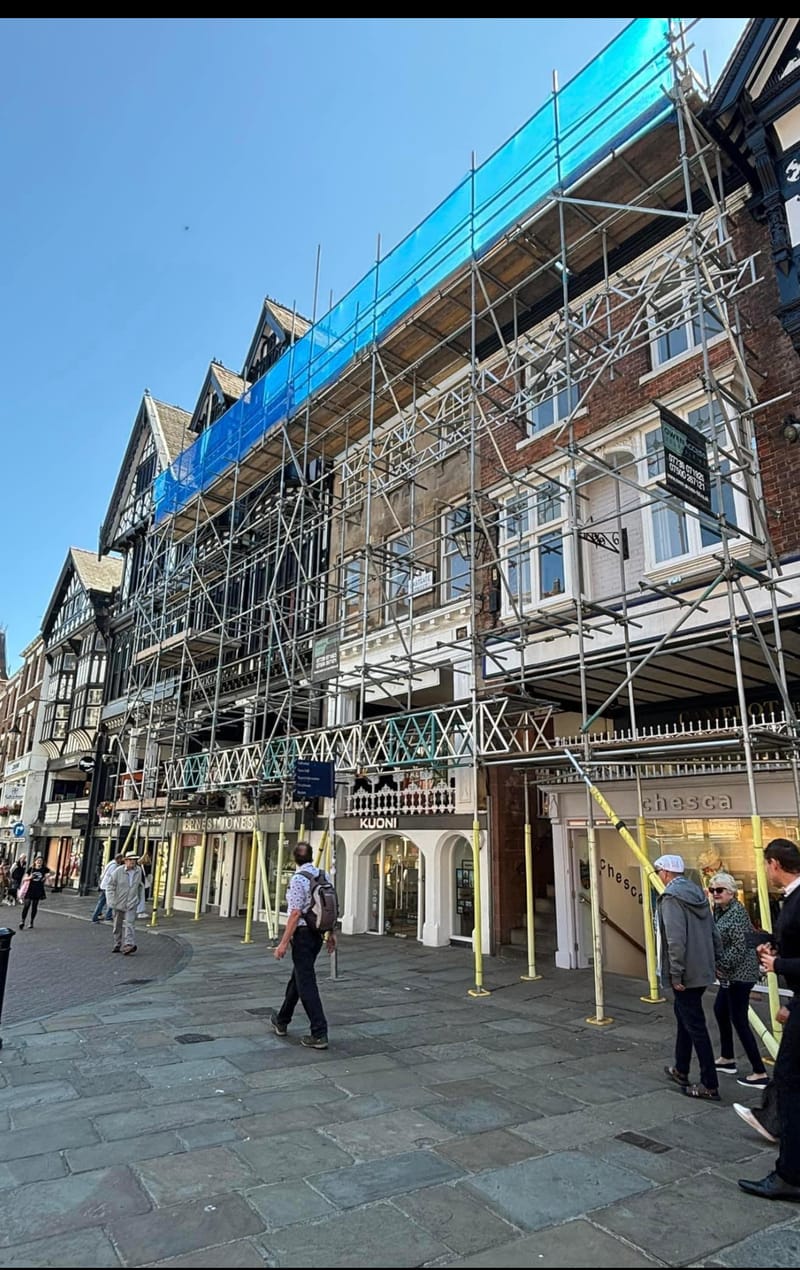
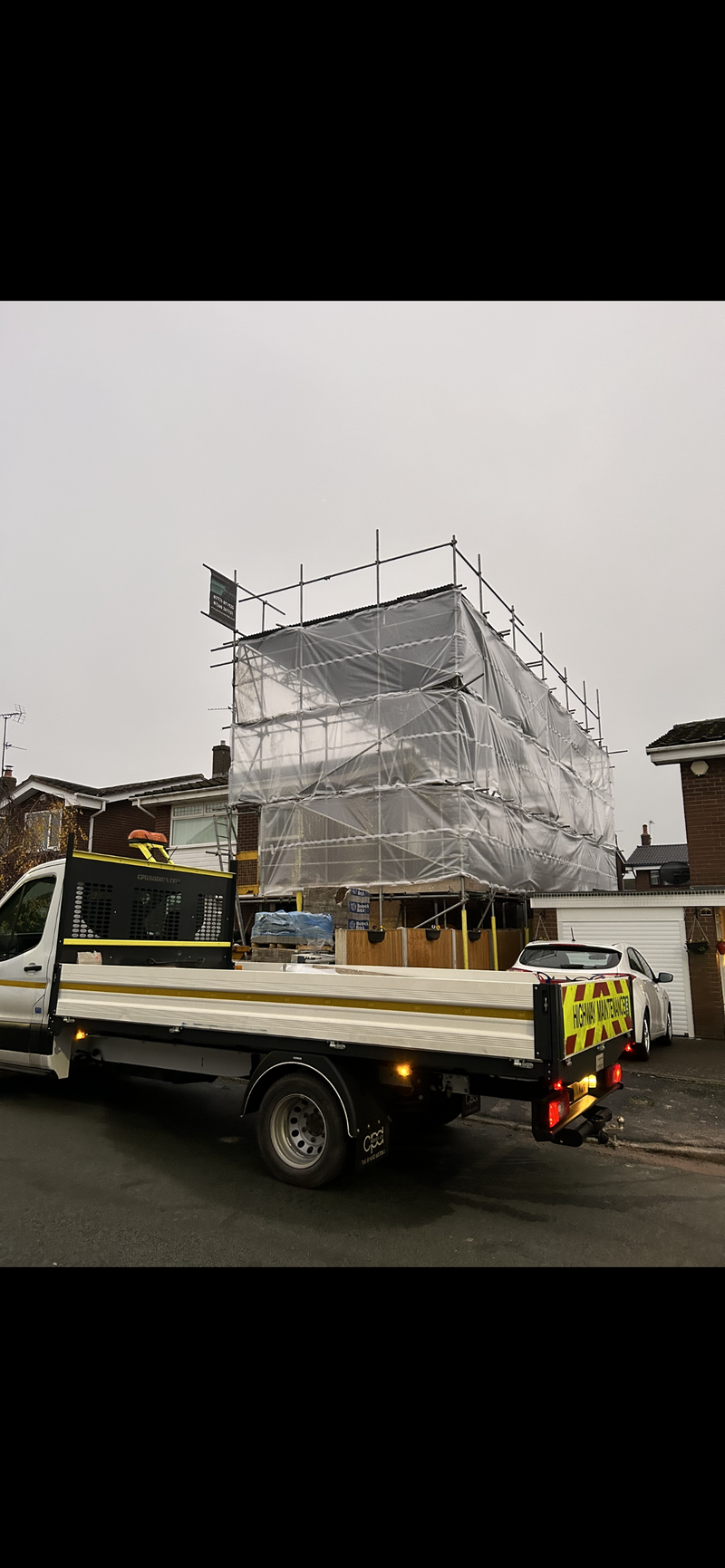
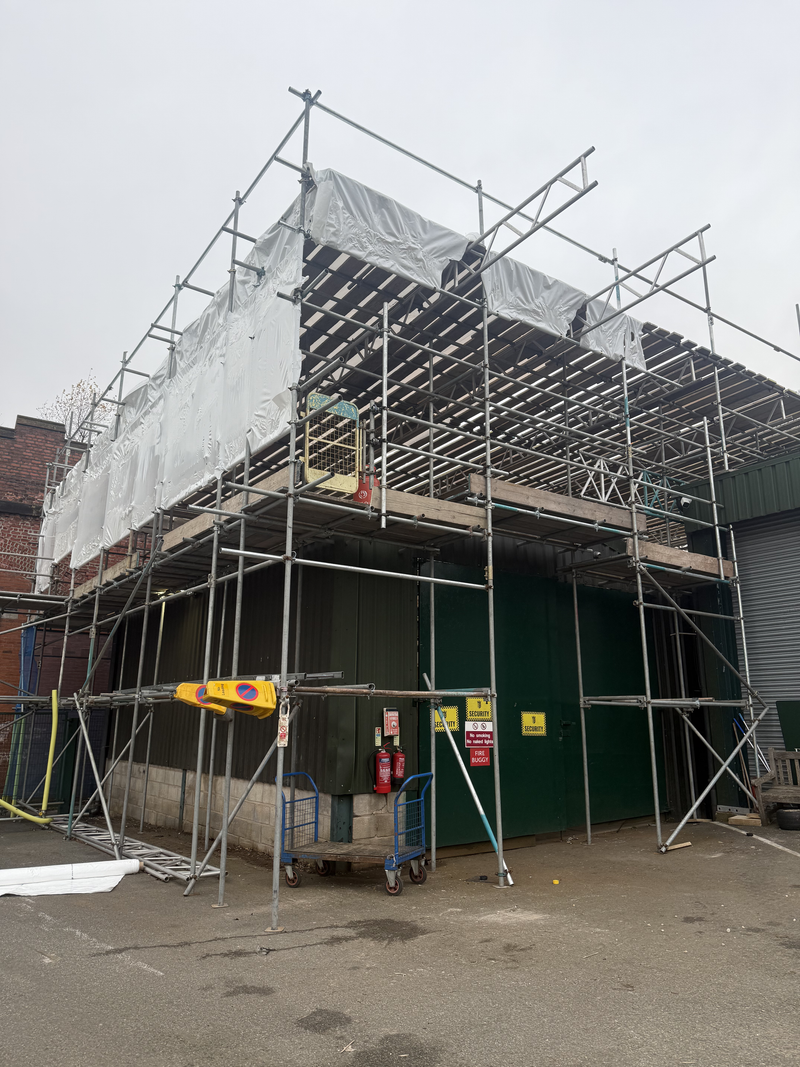
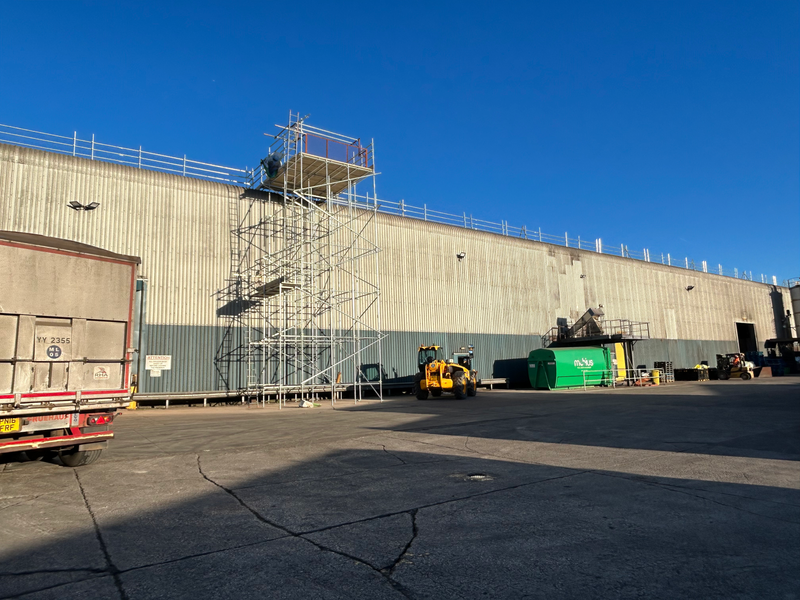
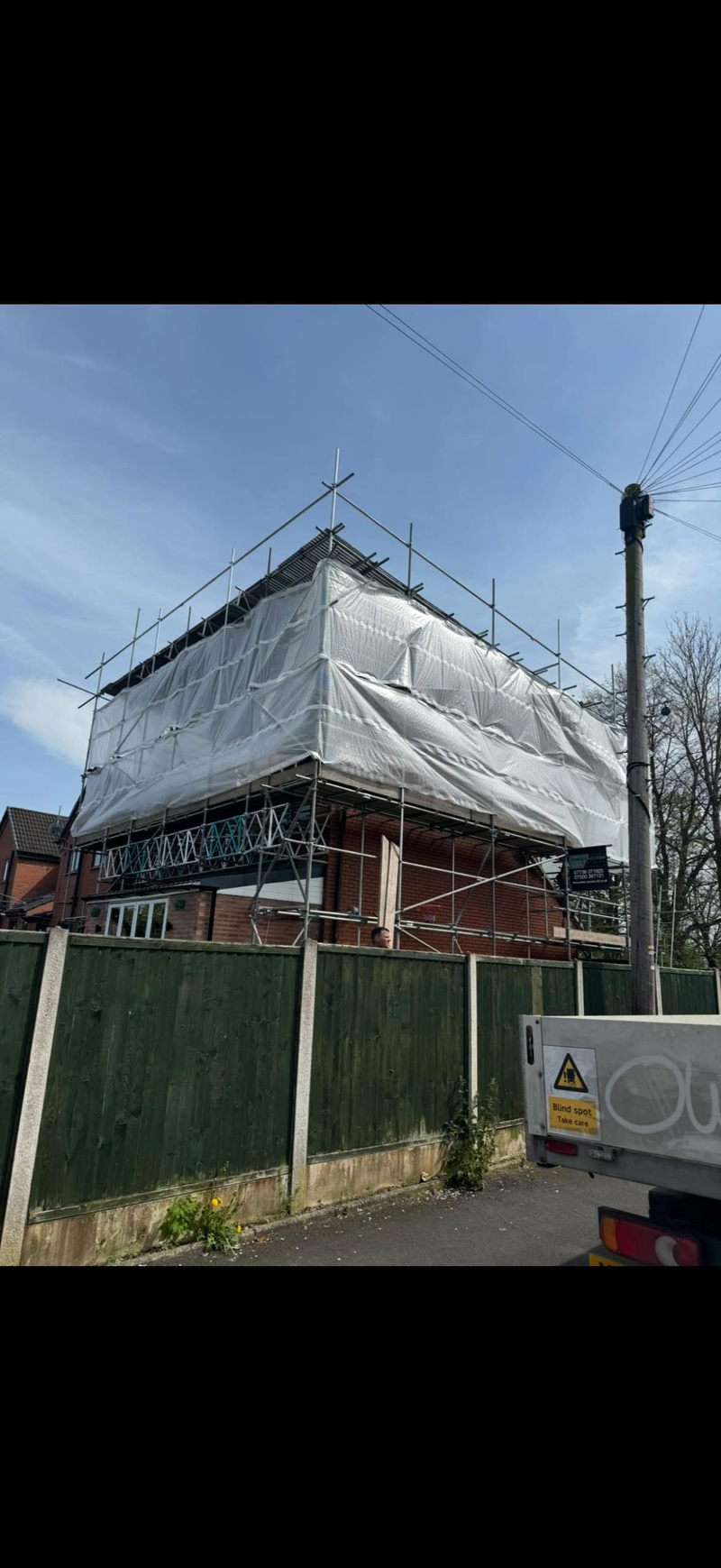
Designed scaffolds that require precise drawings are developed through a formal engineering-led design process to ensure structural stability, load capacity, and safe access for the specific conditions of the site. These scaffolds are required where standard configurations are insufficient due to factors such as complex geometry, restricted access, unusual loadings, height, or interaction with existing structures. The scaffold design is prepared by a competent scaffold designer in accordance with relevant standards and guidance, including recognised codes of practice. Detailed drawings are produced prior to installation, clearly identifying scaffold layout, bay sizes, lift heights, bracing arrangements, tie patterns, load classes, foundation requirements, and permissible working loads. These drawings form an integral part of the construction methodology and must be followed without deviation unless formally reviewed and approved. A detailed assessment of site conditions is undertaken as part of the design process, including ground bearing capacity, proximity to adjacent structures, overhead obstructions, public interfaces, and environmental factors such as wind exposure. Where scaffolds interact with existing buildings or infrastructure, the design ensures that imposed loads and restraint forces are controlled and safely transferred without compromising structural integrity. The erection of designed scaffolds is carried out strictly in accordance with the approved drawings and design calculations. Any variations required due to unforeseen site conditions are referred back to the designer for review and written approval prior to implementation. The scaffold is erected progressively, with stability maintained at all stages, and temporary measures introduced where necessary to ensure compliance with the design intent. Throughout the duration of use, the scaffold is subject to formal inspection regimes and ongoing monitoring to verify that it remains consistent with the approved design and continues to perform safely under operational loads. The design also incorporates provisions for safe access, edge protection, debris containment, and, where required, weather protection or temporary roofing systems. On completion of the works, the scaffold is dismantled in accordance with the agreed sequence outlined in the design documentation, ensuring that stability is maintained at all times. The dismantling process follows the reverse order of erection, with careful control to prevent overloading or instability, and the site is left in a safe and orderly condition.