Chimney scaffolds
chimney scaffolds
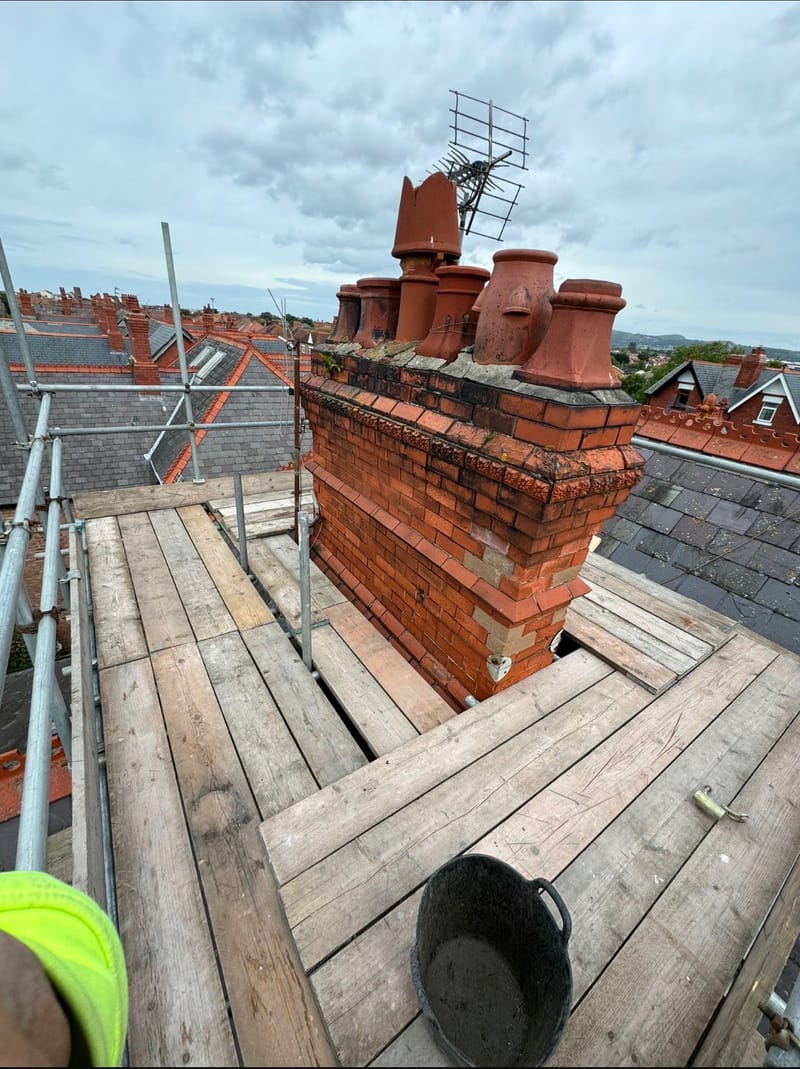
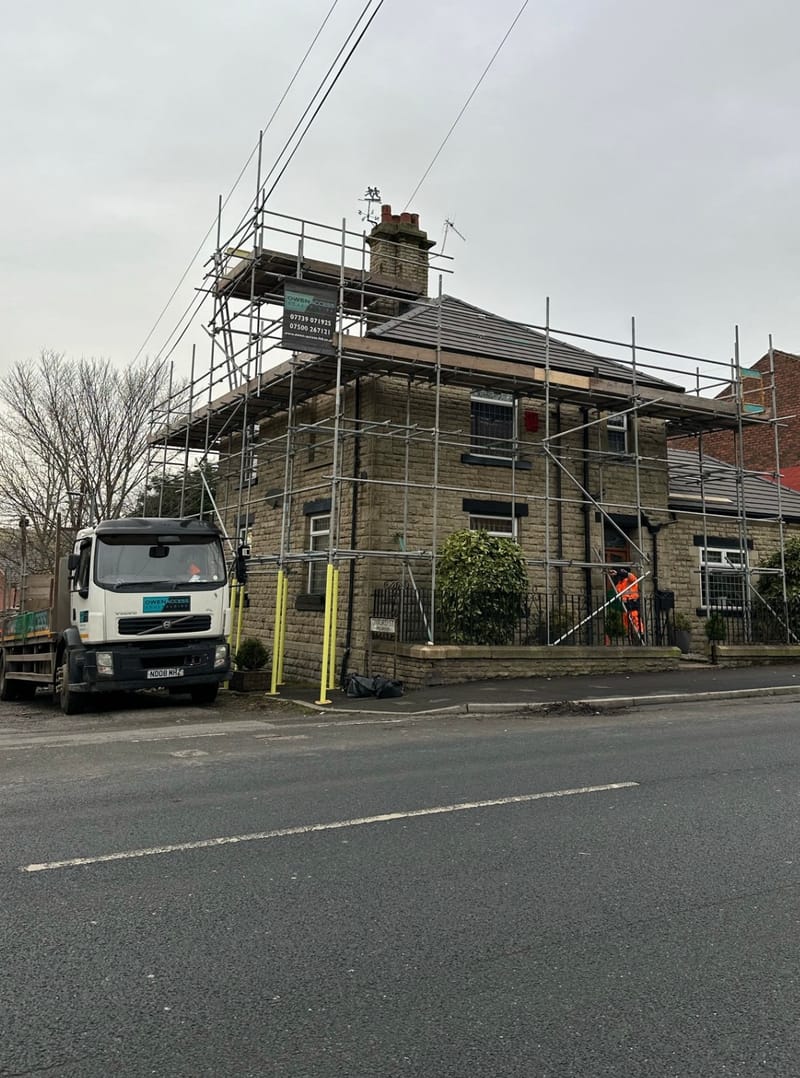
Chimney scaffolds are considered high-risk structures because they inherently combine several factors that increase the potential for accidents or structural failure. These factors include working at height, limited base stability, and exposure to environmental forces such as wind and weather. Unlike standard scaffolds on low-rise buildings, chimney scaffolds require a higher level of planning, design precision, and ongoing monitoring to ensure safety. Working at Height: Chimneys are typically tall, narrow structures, meaning scaffolders must operate at elevated levels where a fall could result in serious injury or fatality. The elevated working environment increases the importance of collective fall protection, such as guardrails, midrails, toe boards, and fully boarded platforms. Safe access to each level must be provided, often via ladders or stair towers specifically designed for the height and configuration of the scaffold. Restricted Base Stability: Chimneys usually occupy a small footprint, limiting the space available for scaffold supports. This restriction means the scaffold cannot rely solely on its base for stability. Instead, it requires strategic bracing, tie-ins, and sometimes outriggers to ensure the structure remains rigid and secure. Scaffolders must also navigate tight spaces while erecting or dismantling components, increasing the risk of slips, trips, or dropping materials, which can pose hazards to personnel below. Exposure to Environmental Forces: Elevated scaffolds around chimneys are fully exposed to wind, rain, and other weather conditions, which can introduce lateral forces that threaten stability. Wind loading is especially critical, as it can cause swaying or even collapse if not properly accounted for in the scaffold design. Therefore, chimney scaffolds are subject to enhanced tie patterns and bracing, and work is often restricted or paused during adverse weather conditions. Enhanced Planning Requirements: Due to these combined risks, chimney scaffolds require thorough pre-planning. This includes: Detailed risk assessments and method statements (RAMS) Coordination with other trades to avoid interference Assessment of ground conditions, tie points, and environmental exposure Load planning for workers, tools, and materials Bespoke Design: Chimney scaffolds are often non-standard, requiring bespoke designs that meet both structural and regulatory requirements. This includes calculating tie positions, bracing, platform loading, and resistance to environmental forces. Designs are usually prepared by a competent scaffold designer and must comply with industry guidance such as TG20 for system scaffolds or SG4 for erection and dismantling methods. Rigorous Inspection and Supervision: High-risk scaffolds demand more frequent inspections than standard scaffolds. Inspections are carried out: After each lift or stage of erection Before first use After any alterations or repairs Following adverse weather events At regular intervals while in use Supervision ensures that scaffolders follow safe work practices, that all ties and bracing remain in place, and that any issues are promptly corrected.